LEARN TO FLY
New to RC Flying?
So, you’re ready to explore the exciting world of radio control flying – you’ve come to the right place!
If this is your first time looking into RC flying, keep reading for some valuable tips that will help you get started the right way. Maybe you’ve seen radio control airplanes or drones on Facebook reels or YouTube videos, attended one of our model airshows, or heard a friend talk endlessly about the fun of flying miniature aircraft. Whatever sparked your interest, welcome to a hobby that can last a lifetime.
At the Hub City Radio Control Club, many of our members have been flying for decades, and we’re always excited to help new pilots discover the hobby. Whether you want to enjoy relaxing flights on a summer evening or challenge yourself with high-performance jets and advanced aerobatics, there’s something here for everyone.
A Hobby for All Ages
RC flying truly is a hobby for everyone.
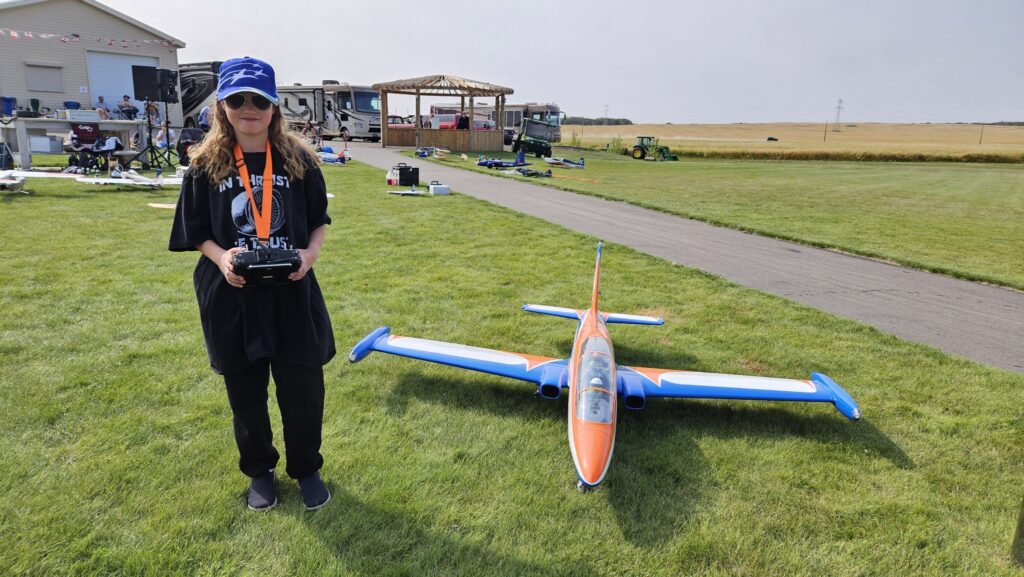
Some of our pilots discovered RC aviation in retirement and now enjoy it as the perfect outdoor pastime for those golden years. Others started flying as children – we’ve seen kids as young as seven master the art of flying. It’s also a fantastic family hobby. Many times we begin by teaching a teenager, only to have their parents join in soon afterward. Before long, airplanes become part of the household and a shared passion for the entire family.
There are very few barriers to learning to fly. We have members who continued flying well into their nineties. No special technical skills are required. If you can drive a car, you already have the hand-eye coordination needed to learn RC flying. Modern aircraft are more reliable, easier to operate, and far less intimidating than ever before. You don’t need advanced electronics knowledge or building experience to get started.
Can’t stand for long periods of time? Sitting while flying is perfectly acceptable. We even have members who fly successfully with vision in only one eye.
The First Step
The next step is not to buy a model – at least not yet.
The best first step is to visit our airfield on a Wednesday evening. These evenings are dedicated to flight training, and most instructors are available between 7:00 PM and dusk (weather permitting).
Learning to fly RC aircraft requires instruction, and starting with experienced help will save you time, money, and frustration.
No matter what the box says or what you may have seen online, inexperienced pilots generally cannot successfully fly a four-channel aircraft on their own. Without instruction, it almost always ends in a crash.
Instead, come to Richardt Field and spend a few minutes watching the activity. You’ll quickly see how welcoming the RC community is. One of our members will likely come over to introduce themselves and answer your questions. Simply tell them you’re interested in learning to fly RC aircraft. If they are not an instructor, they’ll happily introduce you to one of our training pilots.
From that moment on, getting started becomes much easier.
Training and Getting in the Air
Our club offers organized training programs, with dedicated instruction every Wednesday evening during the warmer months, weather permitting.
If you’ve already purchased an aircraft, bring it with you. One of our instructors will inspect it to make sure it’s safe and suitable for training. If everything checks out, there’s a good chance you could be flying within half an hour.
Our instructors have extensive experience with beginner aircraft and can recommend the best models for learning. They’ve seen what works, and what doesn’t. They can help you choose an airplane that will give you the best possible training experience.
Our local hobby shop, Express Hobbies, is also a great resource and has plenty of experience helping new pilots select the right equipment.
Learning to Fly
Club instructors volunteer their time at no charge because they genuinely enjoy helping new pilots enter the hobby. Like you, they’re there because they love flying, so please be considerate of their time and effort.
How long does it take to learn? That depends on several factors, including how often you practice. Most students require several visits before they are ready to safely fly solo.
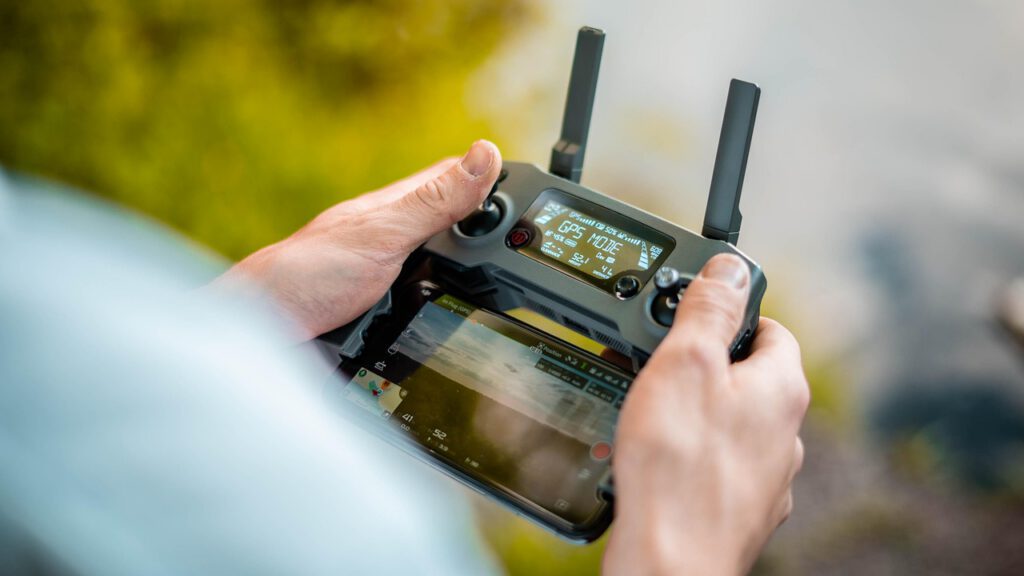
RC flight simulators have also become excellent training tools. Simulators can significantly shorten the learning process – in some cases reducing training time to only a few weeks. They help build hand-eye coordination and allow students to practice even when they can’t make it to the flying field.
However, simulators cannot teach everything. They don’t replace real-world experience such as pre-flight preparation, flying traffic patterns, dealing with changing wind conditions, avoiding obstacles, or safely sharing the airspace with other aircraft. That’s where club instruction becomes invaluable.
Questions Every Beginner Asks
How much does it cost?
It’s possible to get started in RC flying for less than $500, including everything you need.
How far away can it fly?
Modern radio systems can control an aircraft well beyond visible range. However, if you can’t see the airplane, you can’t safely fly it.
How often do you crash?
Modern RC systems are extremely reliable, and crashes are far less common than many people think. When accidents do happen, the aircraft can often be repaired rather than replaced.

Come Visit Us
On this website, you’ll find information about our weekly training nights, membership applications, club rules, and directions to Richardt Field.
Take a little time to explore the site and then come out and meet us in person.
We’d love to introduce you to the hobby and help you begin an exciting lifelong journey in RC flying.
Instructor List

Kevin Bates (Fixed Wing, Helicopter, Multirotor Instructor) | Email Kevin

Doug Green (Multirotor Instructor) | Email Doug

Don Kunaman (Fixed Wing Instructor) | Email Don

Greg Lock (Multirotor, Fixed Wing Instructor) | Email Greg

Howard McKay (Fixed Wing Instructor) | Email Howard

Rick Reid (Fixed Wing Instructor) | Email Rick
Richardt Field
Home of the Hub City Radio Control Club
41 Valley View Rd
Aberdeen, SK S0K 1Y0
📍Find us on Google Maps
Get in touch!
Send us an email, give us a call, or fill out our contact form.